 Leak Fix Pros
Sewer Video Inspection in Whittier, CA
A sewer line is out of sight and mostly out of mind until something goes wrong. A camera inspection shows what is happening inside the pipe, so you do not have to dig to find out.
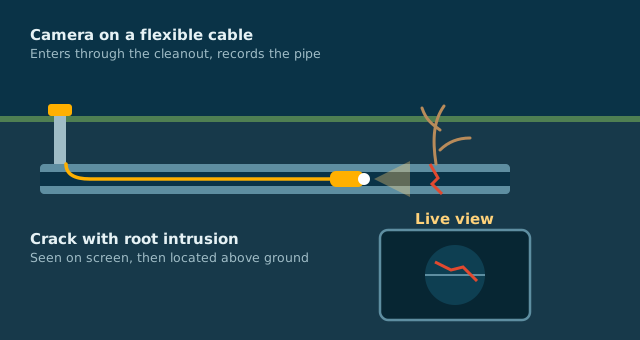
Short answer: Sewer video inspection feeds a waterproof camera on a flexible cable into the sewer line through a cleanout. The provider watches the live video to find cracks, root intrusion, offsets, low spots and blockages, and records the footage so you can see the problem and the options.
What a sewer camera inspection shows
The camera travels from the cleanout toward the street connection and shows the interior of the pipe in real time. A locator on the camera head marks the surface position of what it sees, so a problem seen on screen can be matched to a spot in the yard.
- Cracked or broken pipe, and joints that have separated or shifted.
- Tree roots growing into joints and cracks.
- Offset joints and sections that have sagged and hold water, sometimes called bellies.
- Grease, scale or debris buildup and blockages.
- The pipe material and condition, which affects repair options.
This is different from the pressurized water leaks described under acoustic and thermal methods. A sewer line is not under pressure, so a break shows up as soil, standing water or a wet area rather than a sound a microphone can pick up. The camera is the right tool.
Signs that call for an inspection
- Slow drains in more than one fixture, or a toilet that gurgles when another fixture runs.
- Repeated backups, or a line that needs clearing again and again.
- Sewage smell in the yard or near a cleanout.
- A wet, sunken or unusually green patch above the line's path.
- Roots visible near the cleanout or line, especially after heavy tree growth.
- You are buying or selling a home and want to know the lateral's condition before closing.
If you see raw sewage overflowing indoors, avoid contact, keep children and pets away, and call a provider promptly. For a gas smell, never rely on this service; leave the building and call 911 and SoCalGas.
How it works
- Locate access
The provider finds the cleanout. If none exists, the camera can often enter through a vent, a toilet pull or a removed fixture. - Run the camera
The camera moves along the pipe while the provider watches and notes distances. - Locate the problem
The locator marks the surface position of cracks, roots or offsets so you can see where it is. - Review the footage
You see the video with the provider and discuss what was found, with a recording or report on request. - Choose a repair
Options can include cleaning, a spot repair, replacement, or lining the pipe in place; see leak repair and trenchless pipe lining.
Cost and what to ask
Pricing varies by provider and by the length and accessibility of the line. Ask whether the inspection includes locating, a recorded video or written report, and whether cleaning the line first is separate. If the camera finds damage, ask for the footage in case you need it for a repair estimate or insurance claim; see insurance leak detection reports.
Ownership of the sewer lateral differs between properties and between cities and sewer districts. In general the owner maintains the lateral that serves their building, but check with the agency that handles sewers where you live before assuming who is responsible for a repair.
Roots, age and older neighborhoods
Older sewer lines made of clay or cast iron have joints where roots find their way in, and mature trees in older neighborhoods make that more likely. In areas of historic housing such as Hadley-Greenleaf and College Hills, owners often ask for an inspection when buying. Whittier-area leak detection is mainly about water, but providers who do water leak detection frequently offer camera inspection too, so one call can cover both.
Frequently asked questions
Can tree roots crack a main sewer line?
Roots usually enter through existing cracks and joints, then grow and widen the opening. A camera inspection shows whether roots are present and how much of the pipe they affect.
What causes a waste line under the house to leak?
Common causes include cracked or separated joints, corrosion in older pipe, settling and root intrusion. A camera shows the condition of the line, and a provider can advise whether the leak is the drain or a water line.
Do I need a sewer inspection when buying a home?
Many buyers add one because a failing lateral can be expensive and is hard to see. Ask the provider to record the video so you can share it with your agent.
Will the inspection damage my yard?
Normally not. The camera enters through the cleanout. Digging is only needed later if a repair is chosen.
What if the camera finds a crack?
Options depend on the location and pipe condition, from spot repair to replacement to trenchless lining. The provider explains them and you can get quotes before deciding.
Related services
- Leak Repair, Pipe Lining & Smart ValvesTargeted repair after detection, trenchless pipe lining, and smart shutoff valves.
- Acoustic, Thermal & Tracer GasHow leak detection works, and which method is used for which problem.
- Irrigation & Yard LeaksSoggy patches, misting sprinklers or a buried service line leaking before the house.
- Insurance Claim ReportsWritten leak findings with location, method and photos to support a claim.